
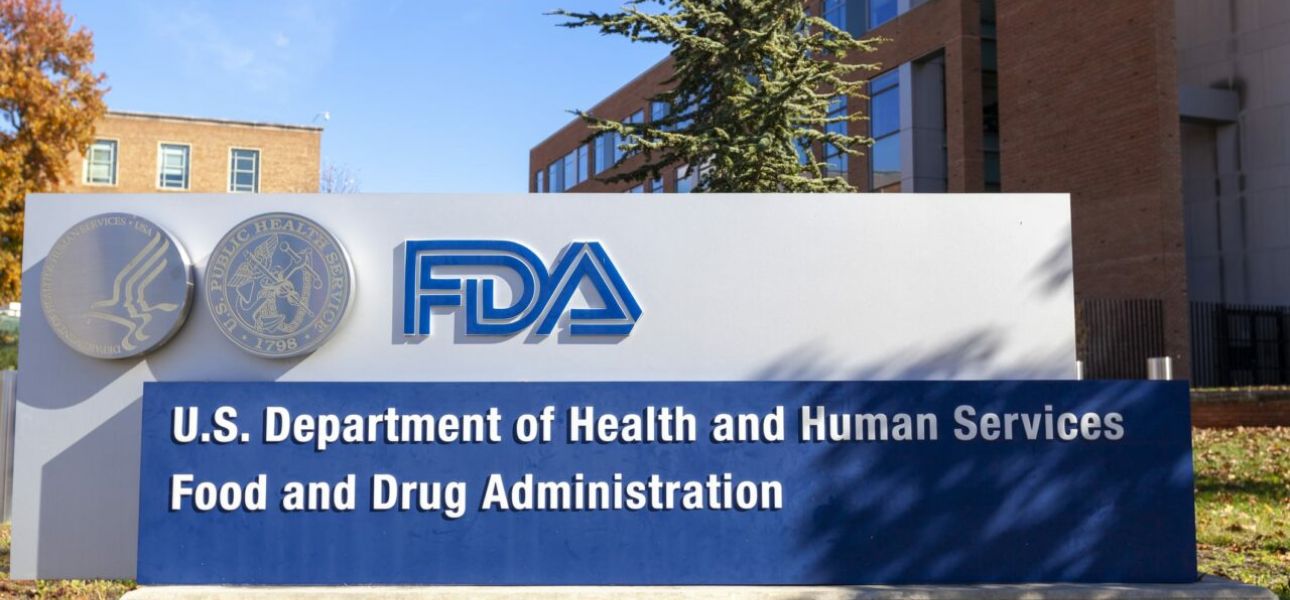
FDA – A Key Regulatory Body Safeguarding the Safety of Food, Drugs, and Medical Devices in the U.S.
The U.S. Food and Drug Administration (FDA) is one of the most influential federal agencies in the field of public health, not only within the United States but around the world. Established in 1906, the FDA operates under the U.S. Department of Health and Human Services and is responsible for ensuring the safety, efficacy, and quality of food, pharmaceuticals, vaccines, medical devices, cosmetics, and biological products.
The Role and Scope of the FDA
The FDA oversees a broad range of essential product categories, including:
-
Food and dietary supplements
-
Prescription and over-the-counter medications
-
Vaccines, biologics, and blood products
-
Medical devices and diagnostic equipment
-
Cosmetics and personal care items
-
Tobacco products and other health-related goods
With the rapid growth of the global pharmaceutical and health supplement industries, FDA certification has become a prestigious and essential benchmark for companies aiming to prove product safety and quality. In particular, for businesses targeting the U.S. market — known for its stringent regulations — FDA approval is often a critical requirement.
FDA’s Approval Process
For any new drug to enter the U.S. market, manufacturers must undergo a rigorous approval process governed by the FDA. This includes preclinical research, multiple phases of clinical trials in humans, and the submission of a New Drug Application (NDA). The FDA evaluates not only the effectiveness but also the long-term safety of the product before granting marketing approval.
Similarly, medical devices are classified by the FDA into different risk categories (Class I, II, and III) and must comply with specific testing, documentation, and regulatory requirements appropriate to their risk level.
Global Influence of the FDA
The FDA’s regulatory framework has far-reaching implications beyond U.S. borders. Many other countries, including Vietnam, view FDA standards as the gold standard for quality and safety. For Vietnamese companies producing supplements, medical equipment, or pharmaceuticals, achieving FDA compliance is not only essential for exporting to the U.S. but also greatly enhances their credibility in other international markets.
The FDA plays a vital role in protecting public health by maintaining strict control over the development, manufacturing, and distribution of products that impact human well-being. For global businesses, understanding and adhering to FDA standards is a strategic step toward international growth, consumer trust, and long-term success.